U.S. Department of Transportation targets ‘CDL Mills’ as thousands of training providers removed from federal registry
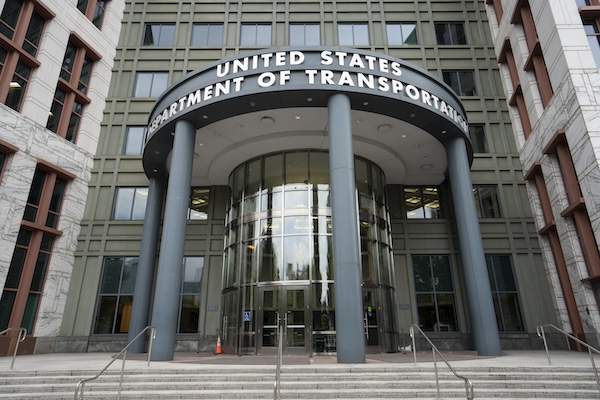
With a focus on safety for the nation’s roads and highways and removing unqualified drivers and corrupt operators from the trucking industry, the United States Department of Transportation (DOT) this week said it is taking steps focused on how commercial driver’s licenses (CDL) are issued.
DOT Secretary Sean Duffy said that almost 3,000 CDL training facilities have been removed from the Federal Motor Carrier Safety Administration’s (FMCSA) Training Provider Registry (TPR), saying those CDL facilities failed to equip trainees with the White House’s “standards of readiness,” with 4,500 other CDL training facilities placed on notice because of potential noncompliance.
DOT explained that the TPR is comprised of providers that are authorized to provide federally-required Entry-Level Driver Training for CDL students. And it added that it is the first of various steps it will take in reviewing the 16,000 providers in the TPR “to identify and remove noncompliant providers,” with CDL training providers being taken off the TPR for various reasons, including:
- Falsifying or manipulating training data;
- Neglecting to meet required curriculum standards, facility conditions, or instructor qualifications; and
- Failing to maintain accurate, complete documentation or refusing to provide records during federal audits or investigations
“This administration is cracking down on every link in the illegal trucking chain. Under Joe Biden and Pete Buttigieg, bad actors were able to game the system and let unqualified drivers flood our roadways. Their negligence endangered every family on America’s roadways, and it ends today,” said U.S. Transportation Secretary Sean P. Duffy. “Under President Trump, we are reigning in illegal and reckless practices that let poorly trained drivers get behind the wheel of semi-trucks and school buses.”
The DOT’s decision received strong support from various industry organizations.
“Training someone to operate an 80,000-pound vehicle is not a weekend hobby. It is a profession built on standards, discipline, and responsibility,” American Trucking Associations (ATA) President & CEO Chris Spear said. “The Trump Administration has sent the right message: if you’re running a CDL mill or if you’re issuing certificates to anyone who can fog a mirror, you’re on notice.”
In October, the ATA sent a letter to congressional leaders, regarding recent high-profile truck-involved crashes that have underscored the urgent need to strengthen driver qualification, training, testing, and licensing standards. The letter addressed certain things regarding the issuance of CDLs that the DOT is addressing, including: requiring individuals to hold a standard driver’s license for at least one year before becoming eligible for a CDL; strengthening federal and state oversight of CDL issuance and testing to ensure only fully qualified drivers enter the industry; and expediting the removal of non-compliant training providers from the FMCSA’s TPR.
Nancy O’Liddy, Executive Director of the National Industrial Transportation League (NITL), said that NITL applauds the DOT and FMCSA’s efforts to uphold high training and safety standards for entry-level commercial drivers.
“Ensuring that CDL trainees receive proper, verifiable, and quality training before licensing is essential for public safety and the credibility of the trucking profession,” she said. “However, we urge DOT/FMSCA to work collaboratively with states, training schools, and stakeholders to ensure legitimate training providers are not unintentionally penalized, and that students currently enrolled are provided fair paths to complete valid training. We also encourage measures to preserve access to training—especially in underserved or rural areas—and to monitor the impact of this purge on driver supply and workforce equity. Safety is paramount, but so is fairness and access for aspiring professional drivers.”
And Chris Burroughs, President & CEO of the Transportation Intermediaries Association (TIA), said that TIA supports the U.S. Department of Transportation’s efforts to ensure integrity and accountability within the commercial driver training system.
“A safe and reliable supply chain depends on well-trained, qualified drivers who meet federal standards,” he stated. “TIA believes that rigorous oversight helps protect carriers, shippers, and the public, while also ensuring that legitimate training programs and professional drivers are recognized and respected. TIA remains committed to safety and compliance, across the entire supply chain.”
In terms of the impact the DOT’s actions could have on the trucking sector, a research note written by Morgan Stanley analyst Ravi Shanker explained it represents what he called another capacity headwind heading into 2026, along with a stricter regulatory environment around English proficiency requirements, B1 Visa monitoring, and non-domiciled CDL regulation.
Jeff Tucker, CEO of Tucker Company Worldwide, observed that it is both disheartening and deeply concerning that so many driving schools have been found operating illegally or with serious deficiencies.
“America’s roadways are the arteries of our economy and daily life, and every time we get behind the wheel we rely on an unspoken trust in one another’s competence and training,” said Tucker. “The Department of Transportation deserves real credit for refocusing its efforts on safety—an area that quite literally determines life and death. For too long, the agency’s attention has drifted from its core regulatory mission to ensure safe transportation systems, instead venturing into pricing or contractual matters better left to private commercial arrangements. Re-centering on safety is not only appropriate; it is essential.”

Article Topics
Motor Freight News & Resources
U.S. Department of Transportation targets ‘CDL Mills’ as thousands of training providers removed from federal registry National diesel average falls 7.3 cents, down for second consecutive week, reports EIA November Edge Report: What’s shaping freight now Turning Border Challenges into Advantages Examining AI’s role in modernizing the freight procurement process U.S. Chamber of Commerce-led letter to USTR reiterates support for USMCA 2026 Freight Market Outlook: Key trends & insights More Motor FreightLatest in Logistics
Looking at the LTL market with Scooter Sayers U.S. Department of Transportation targets ‘CDL Mills’ as thousands of training providers removed from federal registry National diesel average falls 7.3 cents, down for second consecutive week, reports EIA The Warehouse Efficiency Playbook Drive Agility and Resilience Across Your Supply Chain November Edge Report: What’s shaping freight now Worried About Supplier Risk? This Template Helps You Stay Ahead More LogisticsAbout the Author

Subscribe to Logistics Management Magazine

Find out what the world's most innovative companies are doing to improve productivity in their plants and distribution centers.
Start your FREE subscription today.
November 2025 Logistics Management
Latest Resources