Technology Issue: Evaluate first, then apply
Use our May 2023 issue to take the temperature of the technology that’s transforming our operations right in front of our eyes

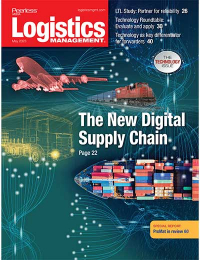
While we’ve been offering a piece on supply chain management software and automation in every issue for the past 20 years, we use our May issue to take the temperature of the technology that’s transforming our operations right in front of our eyes.
And if there’s one theme that continues to rise to the top it’s that we continue to see the application of what was once considered “cutting edge” technology into our day-to-day operations—all thanks to the pressure created by the past three tumultuous years.
“You may be tired of hearing about the ‘great acceleration’ of automation brought on by the pandemic,” says contributing editor Bridget McCrea, “but that’s exactly what happened. With rising costs and ongoing labor pressures, managers have been forced to put technologies to work to engage employees and develop more intelligent, responsive logistics operations. The digital supply chain isn’t a nice-to-have anymore—it’s now a must-have.”
McCrea kicks off our Annual Technology Issue with a round-up of six key digital supply chain trends developing in this pressure-filled environment. According to her reporting, we’re seeing some older technology gaining ground now that it’s more widely applied as well as the rapid rise of a more convenient, cost-effective way to put tech to work inside operations of any size.
“Believe it or not, Walmart is now revisiting the idea of using RFID tags for general merchandise,” says McCrea. “But don’t’ fret. RFID has advanced since 2005, and more operations are now using a combination of automation, robotics and RFID, so it won’t be as overwhelming.”
But the trend to watch, according to McCrea, is the growth of “servitization” such as Robots as a Service (RaaS) and Software as a Service (SaaS). “The lower upfront investment means companies of all sizes can get a ticket to the digital supply chain game, and it takes a lot of the stress off of an already burdened IT department. Servitization may be the way to go if you need to drive growth and enhance performance quickly—with an eye on budget.”
One of my favorite parts of putting this issue together is when I reach out to a few of our trusted analysts to get their input on where we are in the evolution of the cornerstones of logistics technology—software, materials handling automation, and robotics.
For the 2023 Technology Roundtable, I was honored to be joined by Brock Johns (TMS) and Dwight Klappich (robotics) of Gartner, as well as Howard Turner (SCM software) and Norm Saenz (automation) of supply chain consultancy St. Onge Company.
You can dig into all of their responses on where we are and where we’re going in these vital technology sectors starting on page 30. However, if I were to quickly summarize, all four of our panelists stress that the software, automation and robotics tools we need to meet today’s logistics challenges are more available and affordable than ever—all we need to do is better understand our operations and apply what makes the most sense.
Of course, that’s easier said than done. However, Sanez, a long-time partner with LM on a number of supply chain automation survey projects and a first-hand observer of countless operations, offers some sage advice.
“Get your current operations working smoothly before inserting an automated system,” said Sanez. “You need to allow the required time to evaluate the various options when selecting the best automation for your business. The risk is technology excitement can lead to uninformed decisions.”

Article Topics
Technology News & Resources
Rail and Intermodal in the Spotlight: Will AI drive a new era? 2025 Digital Freight Matching Roundtable: From spot chaos to smart capacity Data, AI, and Automation: The new engines of motor freight Unisys executive examines what’s working (and what’s not) with AI in logistics New report from Everstream Analytics examines impact of U.S.-China ‘trade tensions’ are impacting global technology supply chains Ocean carriers navigate rising geopolitical risk and route disruptions 12 Point Buying Guide to Video-Based Safety Systems More TechnologyLatest in Logistics
FTR’s Shippers Conditions Index shows modest growth Trucking executives are set to anxiously welcome in New Year amid uncertainty regarding freight demand ASCM’s top 10 supply chain trends highlight a year of intelligent transformation Tariffs continue to cast a long shadow over freight markets heading into 2026 U.S.-bound imports see November declines, reports S&P Global Market Intelligence FTR Trucking Conditions Index shows slight gain while remaining short of growth AAR reports mixed U.S. carload and intermodal volumes, for week ending December 6 More LogisticsAbout the Author

Subscribe to Logistics Management Magazine
Find out what the world's most innovative companies are doing to improve productivity in their plants and distribution centers.
Start your FREE subscription today.
December 2025 Logistics Management
Latest Resources