FedEx rolls out cleaner fuel program at Chicago and Miami Airports
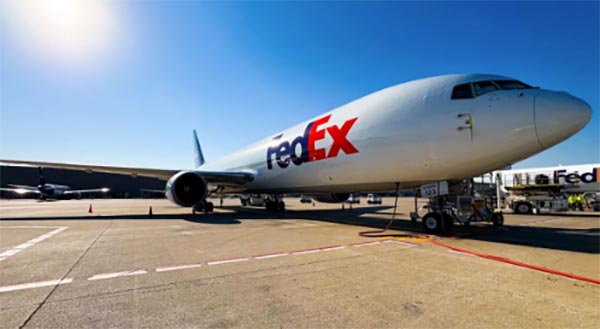
FedEx has started using sustainable aviation fuel at two major U.S. cargo hubs, bringing SAF into daily operations at Chicago O’Hare International Airport and Miami International Airport. The company said this is the first time a cargo airline has used SAF at O’Hare, and it plans to expand the fuel across more gateways as supply increases.
SAF is still a small part of the aviation fuel market, but FedEx has been trying to move more of its network toward cleaner fuel options. The company aims to use 30% alternative fuels by 2030 and says customer demand for lower-carbon shipping continues to grow, especially among large retailers and manufacturers.
How Chicago and Miami fit in
Air cargo is crucial for industries that require fast, reliable delivery, including healthcare, electronics, retail, e-commerce, and more. Any shift in fuel use, even a small one, can affect cost, availability, and long-term planning. SAF is more expensive than conventional jet fuel, and supply remains tight, but its use is becoming an important part of how logistics companies discuss long-term emissions goals.
Please click here to read the complete article.

Article Topics
FedEx News & Resources
FedEx posts fiscal first quarter earnings growth FedEx rolls out cleaner fuel program at Chicago and Miami Airports 2025 parcel peak volumes are expected to climb as shippers brace for higher fees, says ShipMatrix FedEx rolls out direct cargo route between Dublin and Indianapolis FedEx reports fiscal first quarter earnings gains FedEx announces 2026 rate increases FedEx rolls out a new pricing structure for parcel pickups set to take effect in August More FedExLatest in Logistics
Union Pacific-Norfolk Southern merger application is filed with the Surface Transportation Board FedEx posts fiscal first quarter earnings growth U.S. rail carload and intermodal volumes are down, for week ending December 15, reports AAR DAT’s November Truckload Volume Index sees more mixed results November intermodal volumes see annual decline, reports IANA Looking at the state of the parcel market with Robert Persuit, Sr. Director of Business Development, ShipMatrix Teamsters Rail Conference makes its case for the Union Pacific-Norfolk Southern proposed merger to not be approved by the STB More LogisticsSubscribe to Logistics Management Magazine
Find out what the world's most innovative companies are doing to improve productivity in their plants and distribution centers.
Start your FREE subscription today.
December 2025 Logistics Management
Latest Resources