Freight Therapy: A New Mindset for a Healthier Supply Chain
How shippers are addressing root-cause challenges—one conversation at a time.
Logistics professionals are no strangers to pressure.
Pressure to cut costs.
To reduce dwell time.
To pivot quickly.
To deliver everywhere, faster—often with less.
It’s a constant balancing act that many have come to accept as just part of the job. But what if the stress and inefficiencies we’ve normalized weren’t just unavoidable symptoms of a complex industry?
What if they were signals?
And more importantly—what if they were fixable?
That’s the idea behind Freight Therapy: a simple mindset shift that says, “Let’s talk it out.” Instead of reacting to the same recurring pain points—port congestion, fragmented handoffs, disconnected providers—Freight Therapy encourages supply chain leaders to pause, assess, and collaborate to connect the dots from end to end.
And increasingly, shippers are seeing the benefits of that conversation.
Reducing Port Pressure with Strategic Planning
Take DiversiTech, a manufacturer whose inbound cargo often moves through the Port of Savannah. Like many others, they were battling demurrage and per diem fees caused by port congestion, chassis shortages, and an extended inland haul to their distribution center near Atlanta. The problem was compounded by an influx of floor-loaded containers that their DC couldn’t process quickly enough, causing fees to mount.
Instead of continuing to absorb the costs or rely on short-term fixes, DiversiTech worked with Averitt to reimagine their approach. By leveraging Averitt’s Savannah Distribution & Fulfillment Center, containers were pre-pulled before their Last Free Day to avoid storage fees, unloaded and palletized to streamline handling, and transloaded onto Averitt trailers for inland delivery. Combined with drayage alignment and integrated distribution, this proactive strategy gave DiversiTech control over their inbound flow and stopped unnecessary port fees before they started.
Get your free checklist to avoid unnecessary port fees
Cutting 75% of LTL Miles by Rethinking Inbound Freight
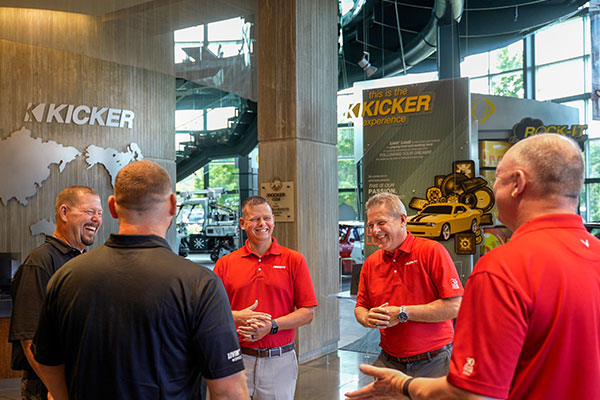
For KICKER, the pain wasn’t at the port—it was in the inland handoffs. With cargo arriving on the West Coast and routed by rail to Dallas before moving to their primary distribution center in Stillwater, OK, orders bound for the East Coast faced long transit times, excess LTL miles, and higher costs.
A Freight Therapy session with Averitt uncovered a better path: reroute a large portion of cargo through the Port of Charleston and utilize Averitt’s nearby Distribution & Fulfillment Center. There, containers are quickly drayed, transloaded, and staged for faster delivery to Eastern U.S. customers. The result? An upwards of 75% reduction in LTL fulfillment miles, faster speed to market, and a simpler, more cost-effective distribution model.
“Averitt's just a phone call away. I deal with a lot of problems, so it helps to have partners in place to assist with those problems. It certainly makes my job and life a lot better,”
— Dave McDonald, Director of Distribution at KICKER
See how KICKER cut 75% of LTL miles — Download the complete KICKER case study
What Is Freight Therapy, Really?
It’s not a product or a service package. It’s a mindset—one that starts with a question:
“What’s really causing the stress in your supply chain?”
For some, it’s too many providers and not enough visibility.
For others, it’s dwell time, inventory spread across too many warehouses, or LTL overuse.
Sometimes, it’s all of the above.
That’s why Freight Therapy emphasizes partnership over piecemeal solutions. It’s about working with a provider that brings the full picture—transportation, warehousing, drayage, fulfillment, and the flexibility to tailor those solutions around your challenges.
At Averitt, we call this the Power of One—a unified approach to logistics that gives shippers a single point of contact, a connected network, and the ability to flex with changing needs.
Recognized by Peers, Chosen by Shippers
That mindset isn’t just resonating with customers—it’s being recognized by the industry.
In Logistics Management’s 42nd annual Quest for Quality Awards—voted on by shippers across the country—Averitt was named the #1 provider in Warehousing & Distribution Services nationwide. The company also placed among the top carriers in both LTL and Truckload Dry Freight categories.
Let’s Talk It Out
If your supply chain strategy feels more reactive than strategic—if your team is constantly firefighting instead of executing—maybe it’s time to pause.
That’s where Freight Therapy comes in. It’s not a sales pitch. It’s a conversation that uncovers the root causes of your challenges and connects you with solutions designed to fix them for good.
Discover your next breakthrough. Schedule your Freight Therapy session today.

Article Topics
Averitt News & Resources
Turning Border Challenges into Advantages Freight Therapy: A New Mindset for a Healthier Supply Chain 42nd Annual Quest for Quality Awards Third-party Logistics (3PL) 42nd Annual Quest for Quality: LTL Redrawing the Supply Chain: The Ultimate Guide to Nearshoring and Reshoring Your Planning Toolkit for Smarter Logistics and Procurement Decisions How KICKER Cut Fulfillment Costs and Accelerated Delivery More AverittLatest in Logistics
FTR’s Shippers Conditions Index shows modest growth Trucking executives are set to anxiously welcome in New Year amid uncertainty regarding freight demand ASCM’s top 10 supply chain trends highlight a year of intelligent transformation Tariffs continue to cast a long shadow over freight markets heading into 2026 U.S.-bound imports see November declines, reports S&P Global Market Intelligence FTR Trucking Conditions Index shows slight gain while remaining short of growth AAR reports mixed U.S. carload and intermodal volumes, for week ending December 6 More LogisticsSubscribe to Logistics Management Magazine

Find out what the world's most innovative companies are doing to improve productivity in their plants and distribution centers.
Start your FREE subscription today.
December 2025 Logistics Management
Latest Resources