
Electric Vehicles: A deeper dive
The Department of Energy predicts an increase of 38% in electricity consumption by 2050, which will be a challenge tomeet, but the Environmental Protection Agency has recently addressed this and other “myths” commonly trotted out.
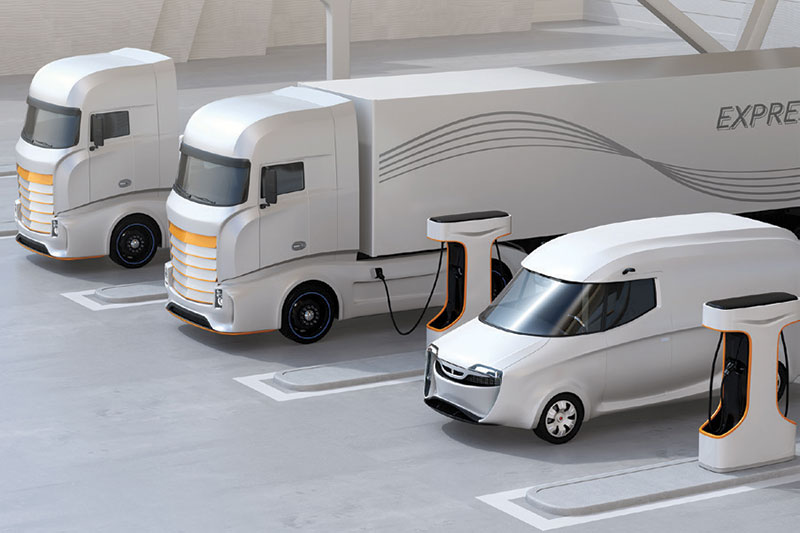

A wise person said: “I don’t know why they call it common sense when so few people have it.” In our current state of world affairs, this seems more true than ever.
So, what can be said about alternative vehicles the makes sense? Last month I took a brief look at electric vehicles (EVs) and autonomous vehicles (AVs). This month I’ll take a deeper dive into EVs and then next month go deeper into AVs because there’s so much information and misinformation about the opportunities and issues with each.
The head-long rush in developing and producing EVs continues unabated and the acceptance of what is presently considered alternative technology is growing rapidly. For many, there’s a certain satisfaction in moving away from internal combustion-powered vehicles to the ostensibly more green-friendly EV.
While there are questions about supporting infrastructure in terms of charging stations and time to re-charge, as well as issues with operating range, bigger questions are lurking below the glossy surface. The ability of the existing electric grid to support large numbers of electric vehicles, many of which will be tapping it simultaneously—as in overnight charging—is one consequential issue.
Another is the access to the necessary raw materials for manufacturing the batteries needed to power the vehicles. Last, there’s the matter of disposition of retired vehicles and the toxic components that will need dealing with when batteries require replacement or vehicles are scrapped.
If you think of the three biggest consumer barriers to owning an EV, they are price, range, and accessibility to recharging locations, but that only paints part of the picture. Challenges exist with the manufacture of batteries to make the cars go.
As Mike Reiss, managing director at EY Supply Chain, points out, the three most critical elements—nickle, cobalt and lithium—are not readily available in the quantities that are anticipated to be needed. Other issues arise around how and where these minerals are mined and by whom.
There are more than 2.6 million light-duty electric cars on U.S. roadways, with California home to nearly half of those, according to Veloz, an industry advocacy group. Some 12.5% of cars registered in California are now electric. One estimate by McKinsey shows EV adoption in the EU, United States and China will be 120 million vehicles by 2030. A more aggressive case shows 240 million vehicles according to publication GovTech Today.
Despite all the positive press and general enthusiasm around the possibilities offered by EVs, there are a number of issues and roadblocks, as you would expect with any wholly new shift of this magnitude. The “Top 10” list according to automotive industry source Top Speed includes:
- EVs don’t possess the best driving range;
- long charging times;
- higher upfront costs;
- limited availability of charging stations;
- cold weather impact on battery performance;
- EV batteries are susceptible to degradation over time
- compromised cargo space;
- require specialized maintenance;
- EVs don’t have a strong resale value; and
- environmental concerns related to battery
- production and disposal.
Virtually all of these are solvable over time. Grid capacity is probably the most daunting, given the anticipated enormous increase in demand and the dearth of new capabilities for producing energy—particularly as commercial trucking actively moves into this space.
The Department of Energy predicts an increase of 38% in electricity consumption by 2050, which will be a challenge to meet, but the Environmental Protection Agency has recently addressed this and other “myths” commonly trotted out.
Myth #1: Electric vehicles are worse for the climate than gasoline cars because of the power plant emissions.
Fact: Electric vehicles typically have a smaller carbon footprint than gasoline cars, even when accounting for the electricity used for charging.
Myth #2: Electric vehicles are worse for the climate than gasoline cars because of battery manufacturing.
Fact: The greenhouse gas emissions associated with an electric vehicle over its lifetime are typically lower than those from an average gasoline-powered vehicle, even when accounting for manufacturing.
Myth #3: The increase in electric vehicles entering the market will collapse the U.S. power grid.
Fact: Electric vehicles have charging strategies that can prevent overloading the grid, and, in some cases, support grid reliability.
Myth #4: There is nowhere to charge.
Fact: Electric vehicles can be plugged into the same type of outlet as your toaster. When you need to charge while on the road, you’ll find over 51,000 stations in the United States available to the public.
Myth #5: Electric vehicles don’t have enough range to handle daily travel demands.
Fact: Electric vehicle range is more than enough for typical daily use in the United States.
Myth #6: Electric vehicles only come as sedans.
Fact: Electric vehicles now come in a variety of shapes and sizes.
Myth #7: Electric vehicles are not as safe as comparable gasoline vehicles.
Fact: Electric vehicles must meet the same safety standards as conventional vehicles.
So, we charge ahead, if you’ll pardon the pun, into a new world that will be quieter, cleaner, and safer. However, like every transformational change, in order to prevail, it will have to endure the obstructionists and purveyors of misinformation

Article Topics
Electric Vehicles News & Resources
President-elect Trump plans to cut electric vehicle incentives Economy, regulations, and truck parking top ATRI’s top 10 list of issues for 2025 Prologis and Performance Team roll out largest electric charging depot in Southern California New Ryder analysis takes a close look at obstacles in converting to electric vehicles Toyota Material Handling Product Video: 3 Wheel Electric Forklift Groups warn of $1 trillion cost for electrification of America’s trucking industry Three major heavy truck manufacturers form PACT to jolt electrification push More Electric VehiclesLatest in Logistics
Union Pacific-Norfolk Southern merger application is filed with the Surface Transportation Board FedEx posts fiscal first quarter earnings growth U.S. rail carload and intermodal volumes are down, for week ending December 15, reports AAR DAT’s November Truckload Volume Index sees more mixed results November intermodal volumes see annual decline, reports IANA Looking at the state of the parcel market with Robert Persuit, Sr. Director of Business Development, ShipMatrix Teamsters Rail Conference makes its case for the Union Pacific-Norfolk Southern proposed merger to not be approved by the STB More LogisticsSubscribe to Logistics Management Magazine

Find out what the world's most innovative companies are doing to improve productivity in their plants and distribution centers.
Start your FREE subscription today.
December 2025 Logistics Management

Latest Resources












