
Scarcity and collaborative contracting
While tactically scrambling for coverage, shippers need to begin now to strategically build relationships that will sustain competitive cost and service metrics over many years.
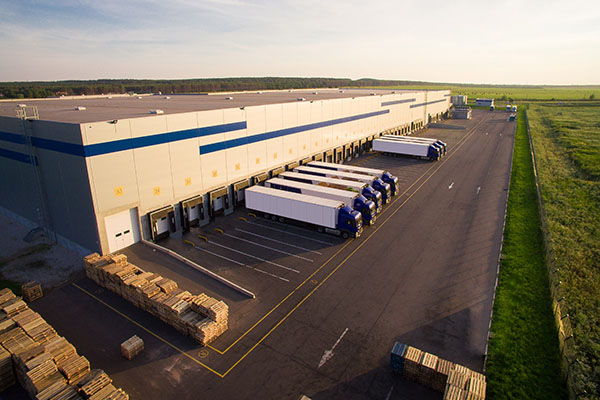

The current squeeze on truckload capacity is affecting some shippers more than others. For shippers who are really feeling the pain of lower service levels and higher costs, let me assure you that this is a cycle that we have seen many times in my 40-plus years as a shipper and 3PL operator.
While tactically scrambling for coverage, shippers need to begin now to strategically build relationships that will sustain competitive cost and service metrics over many years. There are three common strategies for tight markets. I refer to these as confrontation, conciliation, and collaboration.
These three strategies also refer to the tactical stages of adjustment for shippers, 3PLs and brokers who have been acting poorly in their buying methods with carriers.
When the market turns tight, domineering shippers move from surprised and angry at spikes in costs and delays in shipments to being friendly and conciliatory and then finally being open and “vested” with service providers with an eye to building and sustaining a healthy, collaborative relationship over many years.
To avoid the pain, my suggestion is to think long-term up front and pick the right strategy:
- Confrontation consists of a win/lose approach. The shipper sees the carrier as an easily replaceable commodity and “allows” carriers to aggressively bid for the business. Shippers insist that carriers conform to a shipper-centric contract, and committed volumes go from zero to too many to handle depending on the shipper’s needs. In this case, the carrier assumes the risk and has to guess how many resources have to be ready while sales cost are high as the carrier tries to please the shipper and renew the contract. This strategy fails when carriers stop aggressively pursuing the business—like many in the market are doing right now.
- Conciliation is when the shipper realizes that they don’t have an advantage and the carrier has other choices for loads. In this case, the carrier becomes more distant and less pro active in maintaining the relationship. The shipper tries to attract carriers with concessions on price, pickup times, volume commitments and payment speed, while carrier employees find the buyers and loaders much more friendly and flexible. The question in the carrier’s mind is: how long will this last?
- Collaboration requires a culture change for many shippers. The most difficult step in this strategy is openness. Truly sharing our price and service needs with service providers feels risky, as we let them know our goals up front. Will they take advantage? Could we have gotten a better deal if we used confrontation?
The response to the shipper of an open disclosure is that the carrier explains how they make money and the ROI needed to sustain their business. The shipper explains how much they can spend on freight and still be competitive. This is an eye-opening exercise, as it opens the door to a business model where the two sides become collaborators.
In this case, the collaborators agree on a pricing model for good times and bad. They agree to govern themselves as partners with a long-term view of the relationship, and neither party has to absorb unnecessary costs or service interruptions. When the market for either shipper or carrier becomes more challenging, they work to innovate their way through it.
The shipper adjusts hours to allow carrier time to turn trucks faster, while carriers help shippers understand their customers, the freight market and where the shipper can save money. Again, trust is key in this scenario. When collaborative partners are faced with tough times, they stick together to get both parties back to a place where they can meet their business objectives.
How we act now when there’s stress in the market sets the stage for our relationships in the future.

Article Topics
Columns News & Resources
2025: Groundhog Day all over again Emerging trends in logistics technology adoption Rail and Intermodal in the Spotlight: Will AI drive a new era? From Cost Savings to Customer Satisfaction: Why a TMS is essential for modern logistics Rail and Intermodal in the Spotlight: Will tech and AI drive a new era? Annual Study of Logistics and Transportation Trends: The great disconnect Myth-Busting Your Supply Chain Design: Tips for building resilience and efficiency More ColumnsLatest in Logistics
FTR’s Shippers Conditions Index shows modest growth Trucking executives are set to anxiously welcome in New Year amid uncertainty regarding freight demand ASCM’s top 10 supply chain trends highlight a year of intelligent transformation Tariffs continue to cast a long shadow over freight markets heading into 2026 U.S.-bound imports see November declines, reports S&P Global Market Intelligence FTR Trucking Conditions Index shows slight gain while remaining short of growth AAR reports mixed U.S. carload and intermodal volumes, for week ending December 6 More LogisticsSubscribe to Logistics Management Magazine

Find out what the world's most innovative companies are doing to improve productivity in their plants and distribution centers.
Start your FREE subscription today.
December 2025 Logistics Management

Latest Resources












