
Ocean 22
Shipping managers are in the spotlight, and executives want managers who have solutions.
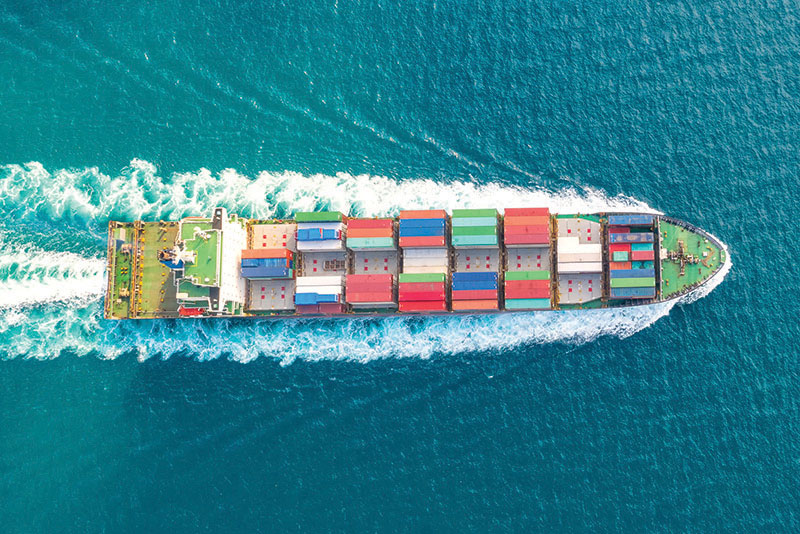

The movies of the “Oceans” series dealt with mega-millionaire casino owners who were able to force their will on smaller casino operators and on the gambling customers. In the movies, a group of independents band together to counter and “put in their place” the out-of-control operators.
I went looking for those heroes in the ocean and airfreight markets today. The sky-high prices and the lack of reliability in service—particularly in international transport modes—are dominating the headlines.
Shipper executives are now trying to determine if this is a permanent condition that would force them to invest in near-shore and domestic production and supply chains for the long term.
For many years, I’ve had my graduate supply chain classes do a case study on total landed cost (TLC) for Chinese versus U.S. products to gain some understanding of the complexities in global supply chains. In reviewing this case study for next semester, I found the numbers used for freight transport as a part of the supply chain are no longer realistic, as ocean and airfreight rates have more than doubled.
In the past, the quantitative answer was a close call, and the more subtle questions of intellectual property protections and occasional delays in transit played significant roles in determining the solution to the case. Today, there is no question that domestic production, even with higher labor and materials cost, would make a student’s analysis straightforward—and probably too easy for my course.
For domestic marketers the analysis now involves the following questions: Will the high international supply chain costs persist long enough to pay for the cost of switching to nearby suppliers, perhaps building new domestic plants, and gearing up for a domestic supply chain? Or, will the ocean and air rates revert to “normal” soon, tipping the balance back to foreign suppliers and leading once again to painful outsourcing decisions?
Three disparate counter forces may yet push the international operators to bring prices back down. No one is predicting a casino break-in type of event or even an artificial earthquake like in the movies to bring down the freight oligarchies, but the freight market has equalizers in the form of technology, third-party action and government intervention that have already begun to affect rates and services in favor of shippers.
Technology has recently enabled the automation of key activities that have historically been either labor intensive or restricted to experts in logistics such as foreign freight forwarders. These intermediaries that arranged for and took a cut of many smaller shipper’s exports and imports are being seriously threatened with “dis-intermediation” by the large carrier operators who can use new tools to deal directly with shippers and provide the kind of reliable information, documentation, and confirmed-space bookings that shippers of all sizes need.
As in most well-established industries, the buyers often innovate to save money or fill some new service niche. Recently, we have seen major freight customers charter vessels and aircraft, reconfigure products to reduce dimensions, and try new partnerships with innovative logistics providers to help them reduce the economic pain of rapidly rising prices.
Governments such as the United States and the European Union have reacted to the outcry of freight buyers by applying pressure to the carriers and have reacted to the labor shortages and port bottlenecks affecting carriers with the “carrot” of new public funds for infrastructure and the “stick” of anti-monopoly investigations and new rulemakings on rate reasonableness.
Shipping managers are in the spotlight, and executives want managers who have solutions. Leveraging knowledge of and participating in transport innovations can bring some relief and an answer to the CEO’s demand to “do something” in the face of extraordinary inflation of freight costs.

Article Topics
Ocean Freight News & Resources
PwC report indicates transportation and logistics dealmaking activity is focused on strategy, not scale Tariffs continue to cast a long shadow over freight markets heading into 2026 2026 Rate Outlook: Early signs of a new freight reality? U.S.-bound imports slide in November as seasonal slowdowns and tariff uncertainty weigh on volumes Port Tracker report points to ongoing import declines as 2025 ends and into 2026 Port of Long Beach appoints Hacebaga as its next CEO, effective January 1 Logistics growth sees mild decline in November, states LMI More Ocean FreightLatest in Logistics
Zebra Technologies is looking at strategic options for its robotics automation business ISM forecast sees a manufacturing rebound in 2026 as services maintain steady expansion PwC report indicates transportation and logistics dealmaking activity is focused on strategy, not scale ShipMatrix reports strong Cyber Week delivery performance results National diesel average falls for the fourth straight week, reports EIA FTR’s Shippers Conditions Index shows modest growth Trucking executives are set to anxiously welcome in New Year amid uncertainty regarding freight demand More LogisticsSubscribe to Logistics Management Magazine

Find out what the world's most innovative companies are doing to improve productivity in their plants and distribution centers.
Start your FREE subscription today.
December 2025 Logistics Management

Latest Resources












