IANA Expo to examine ocean container shipping trends
Given the challenges that all but the top tier players have from a cost competitiveness perspective, analysts feel that it’s reasonable to assume that there will be some further consolidation.
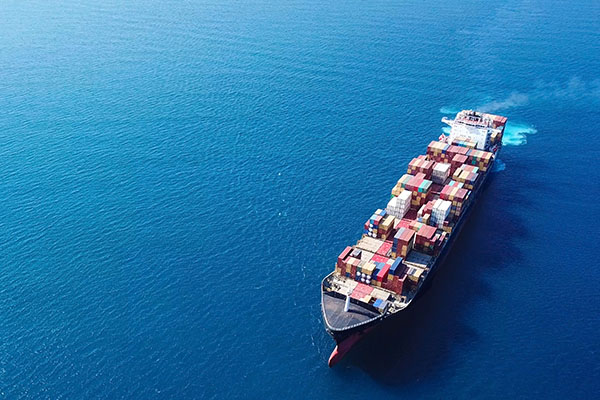
Signs of a turnaround in the prospects of global container shipping companies began surfacing last July when rates began creeping up through the Peak Season. Overcapacity, however, continues to haunt the industry and may keep it from a sustainable recovery.
This issue and others are certain to be examined in greater detail when the IANA Expo convenes in Long Beach next week.
Given the challenges that all but the top tier players have from a cost competitiveness perspective, analysts feel that it’s reasonable to assume that there will be some further consolidation. This is in spite of how the sector has distilled into the relatively small number of significant independent carriers today.
“Certainly, it’s not out of the question that the make-up of some of the alliances could see some changes over time,” says Ron Widdows, the current chairman of the World Shipping Council. “But given what has taken place in the last couple years, perhaps things will settle a bit before any further changes take place.”
Meanwhile, a handful of carrier executives are now taking “differentiation” seriously and are undertaking changes in their products and services to target that segment of the market that will value significantly better service that’s reliably delivered.
The challenge here, says Widdows, is that Alliance structures make implementation more difficult, as they don’t control terminal operations. “In my engagement with shippers over the last few years, I get a sense of a growing desire to seek out partners who can positively impact service and its effect on their supply chains,” he says.
Widdows is also the executive chairman of American Intermodal Management, which provides shipping, logistics, terminals and intermodal transportation consultancy services globally. Something of a legend in the ocean carrier arena, he served as the CEO of Rickmers Holding, based in Hamburg, Germany from April 2012 to April 2014. Prior to joining Rickmers, Widdows was group president and CEO of Neptune Orient Lines, the parent company of APL. His career with NOL/APL spanned more than 30 years.
“So, over the years, I’ve been with companies that had built a ‘service excellent’ carrier model, and a shipper portfolio that was based on accessing a disproportionate participation with those who would pay more,” says Widdows. The key objective, he adds, is for carriers to identify shippers who are less reliant on seasonal consumer demands and more willing to strike a profitable balance.
“This is especially true for shippers who need support for inland intermodal networks and equipment,” adds Widdows. “That portfolio produces a better bottom line and access to shippers seeking a different proposition, a consistent service product and a best in class shipper touch with the enabler.”

Article Topics
Ocean Freight News & Resources
POLA and POLB volumes see October declines Dealmaking declines across freight transportation sectors as investors wait out economic and trade uncertainty October U.S.-bound imports fall, with further declines expected in the coming months, reports S&P Global Market Intelligence Port Tracker points to seasonal patterns for U.S.-bound volumes to end 2025 Supreme Court to hear expedited review on legality of White House IEEPA tariffs this week Trump and Xi reach preliminary trade understandings as tariff and export disputes ease Manufacturing update with Susan Spence, Chair of the Institute for Supply Management’s Manufacturing Business Survey Committee More Ocean FreightLatest in Logistics
Real Answers for Automation at the Loading Dock 2026 Freight Market Outlook: Key trends & insights Q3 intermodal volumes see annual gains, reports IANA Manufacturing declines for the ninth consecutive month, reports ISM Looking at the impact of tariffs on U.S. manufacturing UP CEO Vena cites benefits of proposed $85 billion Norfolk Southern merger Proposed Union Pacific-Norfolk Southern merger draws praise, skepticism ahead of STB Filing More LogisticsAbout the Author

Subscribe to Logistics Management Magazine

Find out what the world's most innovative companies are doing to improve productivity in their plants and distribution centers.
Start your FREE subscription today.
November 2025 Logistics Management

Latest Resources