
Only 23% of supply chains have a real AI strategy in place, notes Gartner

According to a new survey from Gartner, just 23% of supply chain leaders have a formal strategy for using artificial intelligence. Instead of planning long-term, most leaders are focused on short-term gains, an approach that could slow progress and lead to bigger problems down the road.
“CSCOs feel pressure to achieve short-term ROI from their AI investments, but they must ensure these quick wins don't create future constraints,” said Benjamin Jury, Senior Principal, Research in Gartner’s Supply Chain practice.
Gartner surveyed 120 supply chain leaders who had used AI within the past year. The results show a growing gap between what leaders expect from AI and how they’re actually using it. Most are investing project by project, without a clear plan for the bigger picture.
Please click here to read the complete article.

Article Topics
Gartner News & Resources
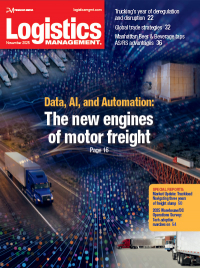
Data, AI, and Automation: The new engines of motor freight Revolutionizing SCM Software: Real-time visibility, AI, and seamless integration 2025 YMS Update: How yard management systems are transforming the modern supply chain Evolution of the Connected Supply Chain: ERPs lead the charge with smart tech Gartner examines how supply chains are embracing the future AI in Supply Chain Software: Opportunities, Challenges, and the Future of Automation Gartner assesses ways to prepare supply chain for the Israel-Iran fallout More GartnerLatest in Logistics
Looking at the LTL market with Scooter Sayers U.S. Department of Transportation targets ‘CDL Mills’ as thousands of training providers removed from federal registry National diesel average falls 7.3 cents, down for second consecutive week, reports EIA U.S. Chamber of Commerce-led letter to USTR reiterates support for USMCA Q3 intermodal volumes see annual gains, reports IANA Manufacturing declines for the ninth consecutive month, reports ISM Looking at the impact of tariffs on U.S. manufacturing More LogisticsSubscribe to Logistics Management Magazine

Find out what the world's most innovative companies are doing to improve productivity in their plants and distribution centers.
Start your FREE subscription today.
November 2025 Logistics Management
Latest Resources












