
Five Best Practices that Support Accelerated Supply Chain Digitalization
Here are five best practices that have emerged from the experience of the last several years.
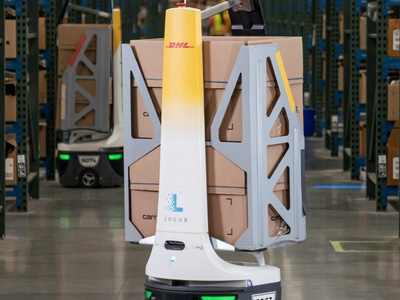
There has been incredible progress in supply chain digitalization over the last several years. Technologies that were considered novel just a few years ago are now common while a host of new solutions have been introduced. Here are just a few examples:
- Robot-assisted and goods-to-person picking technologies have largely displaced manual each picking.
- Autonomous pallet picking and truck unloading technologies are proving their value at multiple sites and are on a similar trajectory.
- Container unloading robots have been introduced to automate one of the most physically demanding tasks in many warehouses.
- Supply chain IT systems have evolved to support improved productivity and visibility and are enabling greater use of analytics.
But it’s important to note that progress has occurred on more than just the technology front. Companies like DHL Supply Chain have continually refined digitalization processes and strategies to enable accelerated deployment of a broad range of technologies today and in the future. Here are five best practices that have emerged from the experience of the last several years.
Best Practices for Supply Chain Digitalization
1. Take a structured approach
The advances that have occurred in the supply chain haven’t happened through an ad hoc approach to digitalization. For leaders like DHL Supply Chain, they are the result of a disciplined and structured approach to digitalization.
DHL Supply Chain has developed a systematic approach to innovation that allows the company to stay informed of what is happening across the supply chain technology landscape, identify and vet the most promising vendors and technologies, and move those technologies from proof-of-concept to commercialization within the company’s network.
This approach requires dedicated resources and an organizational structure that ensures those resources are engaged with all areas of the business. As technologies are moved from one stage of the process to the next, knowledge and processes must be transferred from the digitalization team to the rest of the organization to ensure successful commercialization.
Consistent communication is also essential to ensure teams across the business are aware of the technologies advancing through the process and understand and support the company’s digitalization journey.
2. Know your vendors
Digitalization opportunities aren’t limited to vendors with roots in supply chain management. Sometimes the most exciting opportunities exist with companies that have great technology but limited supply chain experience.
That was the case when DHL Supply Chain engaged with Boston Dynamics. Both organizations had a common objective: automate the container unloading process. Boston Dynamics, a world leader in robotic technology, felt confident their technology could address this challenge, but lacked the in-depth understanding of supply chain processes the development required. DHL Supply Chain provided that expertise as the two organizations engaged in a collaborative development effort that resulted in the Stretch™ robot.
The situation was different when DHL Supply Chain first engaged with Locus Robotics. Locus had the technology but needed a partner that could drive rapid deployment of the technology to achieve economies of scale and enable continued optimization. DHL Supply Chain became that partner and is now the largest user of Locus’ robot-assisted picking systems.
The supply chain technology landscape consists of a wide range of vendors with varying levels of maturity and supply chain expertise. Being able to utilize the most promising technologies requires understanding the capabilities and limitations of each vendor and adapting development and deployment processes to compensate for those limitations.
3. Innovate at scale
The goal of DHL Supply Chain’s digitalization initiative is to create a portfolio of digitalization technologies that address challenges across the supply chain and can be deployed routinely for new and existing customers.
To support this goal, the company develops playbooks for each new digitalization technology that document the process from proof-of-concept through each subsequent implementation. The playbook then becomes a valuable tool as support is transitioned from the digitalization team to operations and the solution becomes a standard part of the company’s offering.
4. Continue to optimize
The same approach that enables continuous improvement in supply chain operations should be applied to digitalization technologies. Don’t be satisfied with the initial level of performance a solution achieves, even if that performance meets expectations. Almost all digitalization technologies offer the opportunity for continued optimization that increases their value.
5. Don’t be afraid to be first
Supply chain digitalization can create competitive advantages but only for those organizations that deploy technologies before their competitors. There is increased risk in being an early adopter of emerging technologies. DHL Supply Chain has found those risks can be effectively managed through its structured innovation process and disciplined approach to proving the value and mitigating the risk of emerging technologies.
The company has solidified its role as the leader in supply chain digitalization by not shying away from promising technologies that do not have a proven track record in supply chain operations. With its resources, processes and scale, the company has helped several vendors build that track record and in so doing has helped its customers use their supply chains to create competitive advantages.
Preparing for the Next Wave of Innovation
While significant progress has been made, there are still plenty of opportunities for supply chain digitalization to advance. Artificial intelligence, resource orchestration, mobile case handling, robotic item picking, and other technologies have the potential to deliver significant value to supply chain operations. The best practices developed during the first wave of digitalization will prove essential in tapping the potential of these technologies.
For more information on accelerating supply chain digitalization, visit dhl.com/allin.

Article Topics
Boston Dynamics News & Resources
Automate Trailer & Container Unloading Five Best Practices that Support Accelerated Supply Chain Digitalization Third Party Logistics (3PL) providers bolster e-commerce fulfillment services 2023 State of Robotics: Measurable performance and integration come into focus To Efficiently Unload Trucks, You First Need to Dance Behind the Scenes of the Strategic Collaboration Between Boston Dynamics and DHL Supply ChainLatest in Logistics
ShipMatrix reports strong Cyber Week delivery performance results National diesel average falls for the fourth straight week, reports EIA FTR’s Shippers Conditions Index shows modest growth Trucking executives are set to anxiously welcome in New Year amid uncertainty regarding freight demand ASCM’s top 10 supply chain trends highlight a year of intelligent transformation Tariffs continue to cast a long shadow over freight markets heading into 2026 U.S.-bound imports see November declines, reports S&P Global Market Intelligence More LogisticsSubscribe to Logistics Management Magazine

Find out what the world's most innovative companies are doing to improve productivity in their plants and distribution centers.
Start your FREE subscription today.
December 2025 Logistics Management

Latest Resources












